

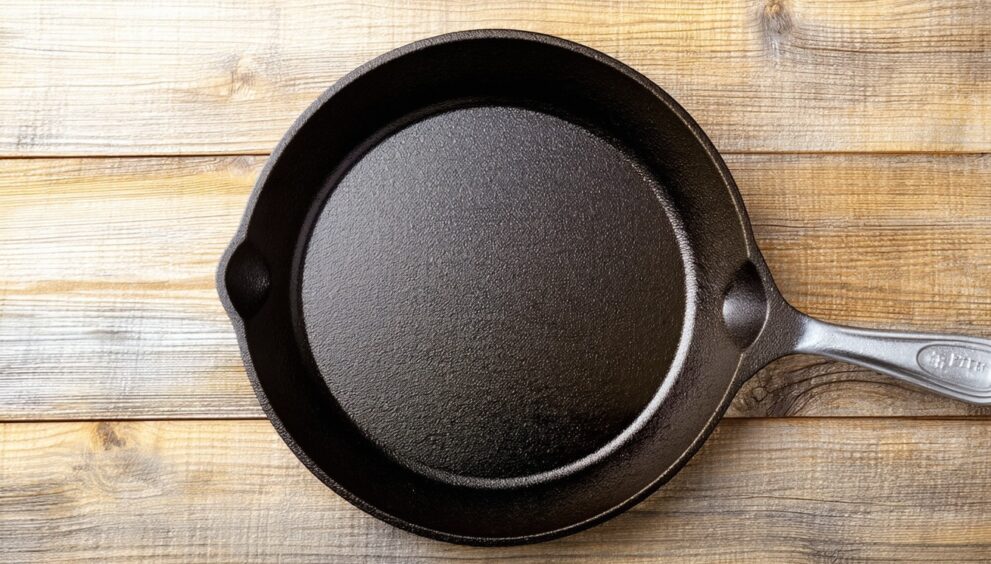
Cast iron skillets have secured their place in kitchens worldwide, celebrated for their resilience and unmatched versatility. From searing steaks to baking cornbread, these pans carry stories—often passed from one generation to the next. However, their longevity depends on attentive care. Understanding how to clean a cast iron skillet isn’t just about maintaining appearance; it preserves the unique seasoning essential to nonstick cooking, flavor, and pan durability. Whether you’re a novice cook or a seasoned enthusiast, knowing the right cleaning techniques safeguards your investment.
Why Cleaning Cast Iron Matters
Cast iron’s defining feature—the seasoned layer—makes it stand out from modern nonstick alternatives. Unlike Teflon pans, cast iron relies on repeated layers of polymerized oil, which build up over time to create that famously slick, flavorful surface. Aggressive cleaning can strip away this layer, while neglect encourages rust and reduces performance.
Home cooks and professionals alike have recognized that improper maintenance can warp, pit, or rust skillets, undermining decades of culinary history. According to many culinary educators, well-maintained cast iron “can last a lifetime—or several.”
“A properly cared-for cast iron skillet improves with use, becoming more nonstick and easier to clean over years. Cleaning isn’t just routine; it’s part of the seasoning process.”
— Chef Amanda Yee, Culinary Instructor
Step-by-Step: How to Clean a Cast Iron Skillet
With cast iron, less is more. The cleaning process doesn’t require harsh chemicals or elaborate routines. Here’s how most chefs and experienced home cooks maintain their skillets after daily use:
1. Let the Skillet Cool (But Not Fully)
After cooking, allow the skillet to cool slightly so it’s safe to touch, but don’t let stuck-on bits harden completely. Warmth makes cleaning easier and helps prevent warping that can result from thermal shock.
2. Rinse with Warm Water
Rinse the pan with warm water. If food is especially stubborn, use a non-metal brush, gentle scrubber, or even coarse kosher salt as a natural abrasive. Avoid soap if possible, since it can break down the seasoning.
- For simple cleanups: Wipe with paper towels or a soft sponge.
- For stuck-on particles: Sprinkle salt in the pan and use a paper towel or scrub brush to lift debris.
3. Avoid Soaking and Dishwashers
Submerging your cast iron in water or running it through a dishwasher can cause immediate rust and strip away seasoning. A quick rinse and scrub are all you need for most messes.
4. Dry Thoroughly and Heat
Use a clean dish towel or paper towels to dry the skillet. For extra assurance, place it on a low burner for a few minutes to evaporate any lingering moisture. Any water left behind can cause rust, even overnight.
5. Oil and Buff
While still warm, add a thin layer of neutral oil (like vegetable, canola, or flaxseed) to the surface. Wipe excess with a clean cloth or paper towel until the skillet appears dry and smooth, rather than greasy. This final step fortifies the skillet’s nonstick surface and prevents rust.
Common Mistakes and How to Avoid Them
Even experienced cooks occasionally make missteps in cast iron care. Recognizing and dodging these pitfalls can make maintenance nearly effortless:
Using Harsh Detergents
Standard dish soaps are designed to break down oils—counterproductive for seasoned iron. Mild soap in small quantities is generally safe but frequent use can dull seasoning faster than lighter cleaning methods.
Leaving Water Behind
Moisture is cast iron’s main enemy. Allowing water to sit—whether in the sink or after a rinse—can produce rust spots in hours.
Skipping Regular Oiling
Forgoing the oiling step at the end of cleaning will result in a skillet that progressively loses its sheen, stick-resistance, and even structure. Seasoning builds over time, each layer reinforcing the last.
Overheating or Rapid Cooling
Dramatic temperature swings can crack or warp the metal. Always let pans cool gradually and never douse a hot pan with cold water.
Removing Rust and Restoring a Neglected Skillet
Even if rust spots appear or a skillet looks neglected, all is not lost. Restoration is possible and, for many vintage pan collectors, even part of the appeal. Here’s a basic process:
- Scrub rust spots with steel wool or a stiff brush until bare metal appears.
- Wash with mild soap and water (this is the only time you’ll intentionally use more soap).
- Dry thoroughly and then heat-dry.
- Apply a thin layer of oil and bake upside down in a 400°F oven for an hour. Place foil on a lower rack to catch drips.
- Let cool and repeat oiling if necessary until a slick, dark surface returns.
Many enthusiasts cherish the ritual of stripping and re-seasoning pans, finding joy in returning a flea-market find to usable glory.
Real-World Examples: Upkeep in Home and Restaurant Kitchens
Many restaurant chefs use cast iron daily, relying on robust seasoning to deliver consistent results, particularly for proteins. Home cooks, too, often report that their pans become “better than nonstick,” requiring minimal effort after each meal.
Take the example of Lodge Cast Iron, one of America’s oldest manufacturers. They recommend following the rinse, dry, and oil approach as a universal standard, regardless of how the skillet is used.
Some professional kitchens maintain a “cast iron rotation,” in which highly used pans get a full cleaning and reseasoning monthly, but daily cleaning remains simple and fast. This real-world model proves that even high-volume kitchens can incorporate proper care with minimal time investment.
Conclusion: The Key to Cast Iron’s Longevity
Caring for a cast iron skillet is a blend of routine maintenance and appreciating tradition. With proper cleaning and seasoning, these pans become culinary heirlooms—growing more functional with each meal. The essential steps are straightforward: gentle washing, fast drying, and a light oil application. Avoiding harsh detergents and standing water will help any skillet last for generations. For those willing to invest a few extra moments after cooking, the rewards span flavor, function, and heritage.
FAQs
How often should I season my cast iron skillet?
Routine seasoning after each cleaning, using a light coating of oil, is ideal. Deep reseasoning is only necessary if food starts sticking or the skillet appears dull and uneven.
Can I use soap to clean a cast iron skillet?
Mild soap can be used sparingly and won’t destroy the seasoning with occasional use. Generally, it’s best to rely on hot water and gentle scrubbing, resorting to soap only when absolutely necessary.
What if my cast iron skillet rusts?
Surface rust is not the end for cast iron. Scrub the rust away, wash, dry thoroughly, and reseason the pan in the oven to restore its protective coating.
Why does food sometimes stick to my cast iron pan?
Sticking often means the seasoning layer is too thin or has worn off. Regular oiling after cleaning and, when needed, a deeper oven-seasoning will rebuild the surface over time.
Is it safe to cook acidic foods in cast iron?
Cooking tomatoes or other acidic ingredients occasionally won’t harm a well-seasoned skillet, though frequent exposure can thin the seasoning more quickly. Many cooks use enameled cast iron for such recipes.