

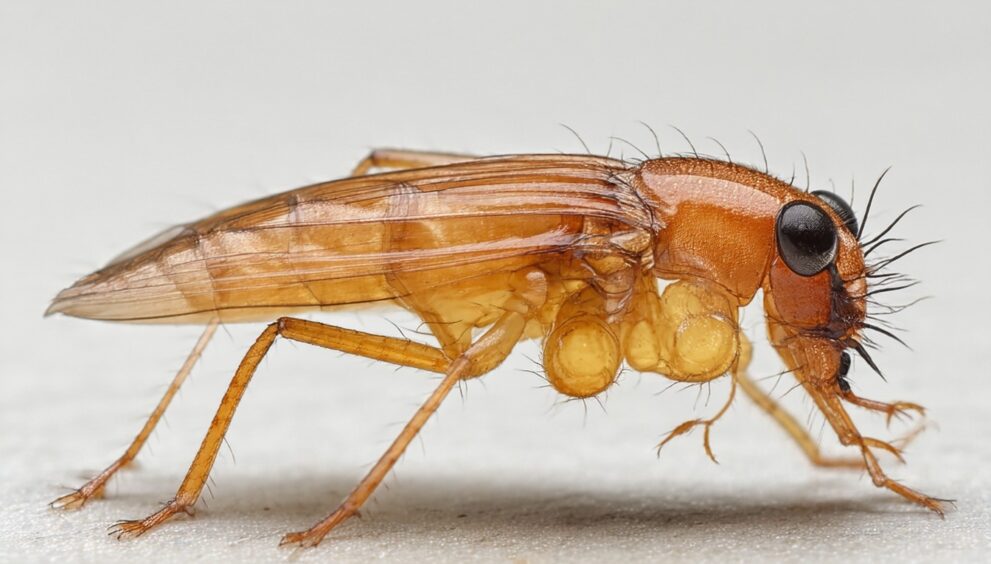
Fleas are among the most stubborn and pervasive household pests, capable of turning comfortable homes into zones of discomfort and concern. Tiny yet tenacious, these parasitic insects thrive not only on pets but also in carpets, upholstery, and cracks in flooring. According to veterinary experts and pest control professionals, flea infestations can escalate rapidly: a single female flea can lay up to 50 eggs a day, leading to thousands of new fleas in just a few weeks if unchecked.
Beyond their well-known penchant for causing itchy red bites, fleas are vectors for a variety of diseases—including tapeworms and, less commonly, bacterial infections like murine typhus. The CDC has highlighted the importance of immediate action, as even brief lapses in flea control can result in months of persistent problems.
Identifying a Flea Problem in Your Home
Early detection can make all the difference in effective flea control. Flea infestations often begin subtly, with pets scratching more than usual. Owners might notice tiny dark specks—so-called “flea dirt”—on pet bedding or on their own socks and legs. These specks are actually excreted blood and a telling symptom of flea presence.
Common Signs of Fleas
- Increased scratching or biting at skin, especially in cats and dogs
- Visible fleas crawling in fur or over skin
- Black pepper-like debris on bedding or fabric
- Unexplained red, itchy bites on humans, often around ankles or waist
In some cases, sensitive pets may develop allergic reactions to flea saliva, resulting in redness, hair loss, or scabs. Addressing these indicators swiftly helps limit reproduction and spread.
How to Get Rid of Fleas: Proven Home Remedies
While chemical solutions abound, many households now seek safer, more environmentally friendly methods to tackle flea invasions. A multifaceted approach—treating both pets and the environment—is essential for thorough eradication.
Step 1: Deep Clean Pet and Human Environments
Fleas spend over 90% of their lifecycle away from the host, meaning the fight must start with extensive cleaning:
- Vacuum Thoroughly: Focus on carpets, rugs, upholstery, under furniture, and along baseboards. Empty the vacuum bag outside immediately to prevent reinfestation.
- Wash Bedding: Launder pet bedding, blankets, and soft toys in hot water weekly. The heat destroys both fleas and their eggs.
- Steam Clean if Possible: High-temperature steamers can penetrate deeper into fabrics, killing fleas at all lifecycle stages.
Step 2: Natural Flea Killers for the Home
Many everyday products can interrupt flea development or deter adult pests:
- Diatomaceous Earth: This fine, abrasive powder (food-grade only) can be sprinkled on carpets and cracks. It dehydrates fleas but is generally safe for pets and children when applied correctly.
- Baking Soda and Salt: When mixed and worked into carpets, these absorb moisture and desiccate flea eggs and larvae.
- Homemade Flea Traps: A shallow dish with warm, soapy water under a nightlight can attract and drown adult fleas overnight.
“Consistent, thorough cleaning is the cornerstone of home flea control. Relying on a single remedy without environmental management rarely leads to lasting relief.”
— Dr. Lisa Yount, Veterinary Parasitologist
Step 3: Natural Flea Treatments for Pets
Treating pets is critical. However, not all home remedies are equally safe. Always consult a veterinarian before applying new substances to your animal.
- Regular Combing: Use a fine-toothed flea comb daily. Dip the comb in soapy water to kill captured fleas.
- Apple Cider Vinegar Spray: Some owners create a diluted spray to repel fleas, though effectiveness may vary and this does not kill existing fleas.
- Lemon Rinse: A solution made from sliced lemons steeped in hot water can be used as a natural rinse, but test on a small patch of fur for sensitivity before full application.
Veterinarians caution against essential oils (like tea tree or eucalyptus), as these can be toxic to cats and dogs in even small doses.
Step 4: Address the Outdoors
Fleas often hitch a ride indoors via pets or wildlife, so controlling the exterior is necessary:
- Mow Lawns Regularly: Fleas prefer shady, overgrown areas.
- Clear Debris: Eliminate piles of leaves or brush.
- Beneficial Nematodes: These microscopic worms, available at garden stores, naturally reduce flea larvae populations in soil.
Chemical Alternatives: When Natural Remedies Aren’t Enough
Severe infestations may require targeted chemical intervention. Today’s flea control products, including spot-on treatments and oral medications, are increasingly effective and safe when used as directed. Integrated pest management (IPM) approaches combine barriers, treatments, and ongoing monitoring. Over-the-counter sprays, powders, or foggers can be considered for persistent home infestations, but it is crucial to adhere strictly to all label instructions to protect both pets and people.
Preventing Flea Reinfestation: Long-Term Strategies
Relapse is common. Successful long-term flea management hinges on proactive, layered prevention:
- Year-Round Pet Protection: Veterinary-recommended flea preventatives, such as monthly oral or topical medications, dramatically reduce risk of recurrence.
- Regular Housekeeping: Frequent vacuuming and laundering remove lingering eggs and larvae.
- Prompt Response: Acting quickly after spotting a single flea can prevent an infestation spiral.
Experienced pet owners and pest control professionals often recommend calendaring reminders for both pet treatments and household cleaning routines.
Conclusion: Persistent, Layered Defense Yields Best Results
The battle against fleas is rarely won with a single solution. Households see the best outcomes when they pair persistent environmental cleaning with direct pet care, natural remedies, and—when necessary—approved chemical agents. Dogged attention to maintenance is vital: addressing one area while neglecting others will almost always lead to relapse. Proactive prevention, informed by expert guidance, remains the safest, surest route to a flea-free home.
FAQs
How long does it take to get rid of a flea infestation?
Complete eradication can take several weeks, as some eggs and larvae survive initial treatments. Consistent cleaning and pet care are key to breaking the life cycle.
Are natural remedies as effective as chemical flea treatments?
Natural remedies can help control minor infestations, but severe cases may require commercial treatments for rapid and comprehensive relief. Combining methods often yields the best results.
Is it necessary to treat both pets and the home if fleas are found?
Yes. Addressing only the pet or only the environment leaves reservoirs for reinfestation. Both aspects must be tackled together for lasting control.
Can fleas infest homes without pets?
While less common, fleas can survive on rodents or in used furniture. Even pet-free homes can experience infestations under the right conditions.
What should I do if my pet has a reaction to a flea treatment?
If you observe swelling, excessive scratching, or unusual behavior after applying any treatment, contact your veterinarian right away for guidance.
Are homemade flea traps safe to use around children?
Most soapy water traps are safe, but always keep them out of reach of young children and pets to prevent accidental spills or ingestion.