
The smart casual dress code strikes a unique balance between comfort and sophistication—a nuanced middle ground that speaks to both personal style and contemporary workplace expectations. As professional life blends with social settings and norms shift post-pandemic, the smart casual style has taken center stage in wardrobes around the world. Employers are increasingly abandoning rigid attire requirements, and many events now call for an ensemble that is relaxed yet undeniably put-together. Understanding the subtleties of smart casual can empower individuals to navigate invitations with confidence, avoid awkward fashion missteps, and project authenticity.
Defining Smart Casual: Style with Flexibility
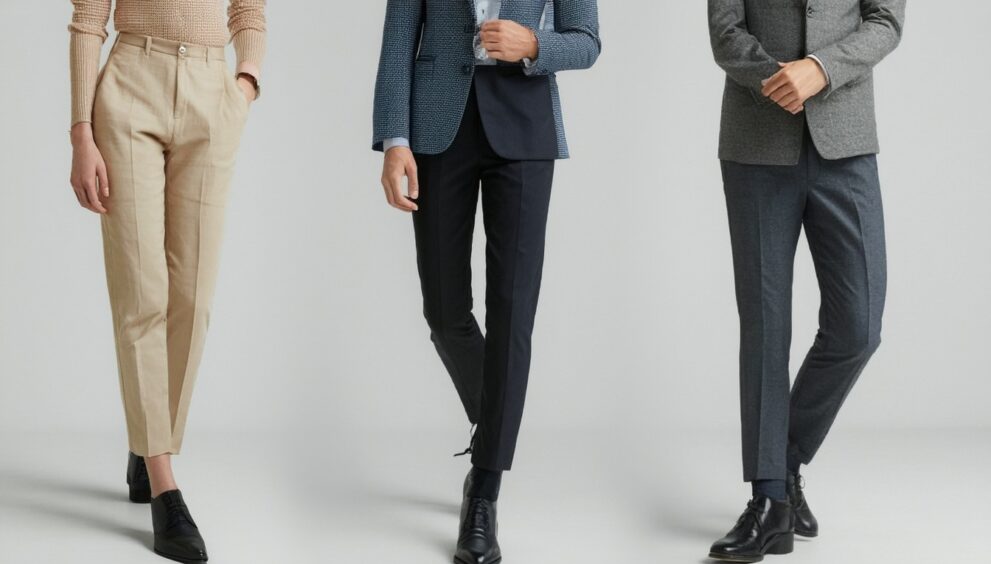
Smart casual, as a concept, resists a rigid checklist. Its versatility lies in adaptability, allowing for self-expression while maintaining a polished appearance. According to leading stylists and HR specialists, smart casual typically blends classic pieces with modern essentials. For example, pairing tailored trousers and a crisp button-down with clean sneakers or loafers creates an ensemble that feels both effortless and intentional.
What makes an outfit “smart” is attention to fit, quality of materials, and well-executed layering rather than the strict presence of blazers or ties. Context matters: a tech startup, creative agency, and art gallery opening may each interpret smart casual slightly differently. However, the following core elements apply widely:
- Tops: Button-down shirts, polos, knit sweaters, fine-gauge turtlenecks, and well-fitted blouses
- Bottoms: Chinos, dark non-distressed jeans, midi skirts, ankle-length trousers
- Shoes: Leather sneakers, loafers, modest boots, ballet flats, or dress sandals
- Layering: Blazers, unstructured jackets, smart cardigans
The Unisex Evolution of Smart Casual
Traditional gender boundaries in fashion are blurring. Unisex influences dominate modern smart casual attire, with oversized shirts, relaxed tailoring, and neutrals now popular across demographics. Fashion-forward professionals, such as those at creative and digital firms, have set trends by mixing classic silhouettes with contemporary details—think a beige blazer layered over a graphic tee and tailored slacks.
“Smart casual is a way for people to express professionalism and personality simultaneously, making it one of the most inclusive and flexible dress codes in today’s world.”
— Emma Harris, Workplace Style Consultant
Smart Casual in Practice: Workplace, Events, and Everyday Adaptations
Navigating Smart Casual at Work
The explosion of hybrid and remote work has contributed to a decline in traditional business attire, with a significant shift towards comfort-driven, yet still professional, ensembles. Data from workplace surveys indicates that a majority of employees now prefer smart casual options for both in-person and video meetings. Tech giants like Google and modern co-working spaces often set the benchmark—jeans without rips, paired with a high-quality sweater, are seen as professional.
It’s critical, however, to calibrate against company culture and role expectations. In finance or law, “smart” may still lean towards dress shirts and wool blend trousers, while in creative fields, it may include well-kept dark jeans and statement accessories.
Smart Casual for Events and Occasions
Beyond the office, smart casual has broad appeal at dinners, networking events, and even relaxed ceremonies. A midi dress with a belted waist and structured jacket, for example, is a staple for women, while men might favor chinos paired with a merino wool pullover.
Real-world inspiration is everywhere: at international art fairs or startup launch parties, attendees often combine luxury basics—like minimalist leather sneakers from brands such as Common Projects or Acne Studios—with traditional tailoring elements. Accessories remain understated but intentional.
Everyday Smart Casual: Balancing Comfort and Polish
Shoppers are increasingly investing in versatile, timeless pieces. Data from fashion retailers point to sustained double-digit demand growth for items such as blazers, classic shirts, and leather sneakers. The rise of “capsule wardrobes” epitomizes the ethos of smart casual: fewer, higher-quality garments that transition seamlessly from day to night.
Key Principles for Everyday Outfits
- Fit First: Opt for clothing that is neither too tight nor overly loose, ensuring comfort without sacrificing structure.
- Neutral Palette: Basics in navy, grey, white, black, camel, and olive are easily mixed and matched.
- Fabric Quality: Natural fibers (cotton, wool, linen) present better and last longer.
- Minimal Accessories: Choose one or two subtle statement pieces, such as a watch or delicate necklace.
Examples of Smart Casual Combinations
For Women
- Option 1: Straight-leg black pants, silk blouse, cropped blazer, and ankle boots
- Option 2: Midi skirt, crew-neck sweater, low block-heel pumps, and minimalist earrings
- Option 3: Dark jeans, tucked-in t-shirt, trench coat, and loafers
For Men
- Option 1: Chinos, Oxford shirt (untucked), navy cardigan, and leather sneakers
- Option 2: Dress trousers, casual Henley shirt, checked sports jacket, and suede loafers
- Option 3: Tailored jeans, merino wool sweater, unlined blazer, and Chelsea boots
Gender-Neutral Styles
- Relaxed-fit chinos, Breton top, soft blazer, and slip-on shoes
- Cropped trousers, turtleneck, boxy jacket, and brogues
The secret is in the thoughtful juxtaposition—pairing casual basics with one or two elevated pieces makes the outfit feel intentional and stylish.
Common Pitfalls to Avoid
Even seasoned professionals sometimes misstep with the smart casual dress code. The following misinterpretations can undermine an otherwise sharp look:
- Too casual: Sports jerseys, athleisure, loud graphics, or distressed clothing rarely fit the bill.
- Overly formal: Full business suits, ties, or formal dresses can appear out of place and stiff.
- Ill-fitting garments: Baggy, wrinkled, or ill-proportioned items detract from the overall polish.
- Inappropriate footwear: Flip-flops, running shoes, and high-gloss formal shoes often break the smart-casual harmony.
A quick mirror check before heading out helps ensure outfits strike the right balance between ease and polish.
The Cultural Shift: Why Smart Casual Matters Now
Society’s broader casualization—catalyzed by evolving work arrangements and social norms—shows no sign of reversing. Brands from luxury to fast fashion report that “smart casual” joins activewear as one of their fastest-growing style categories. This shift reflects a desire for comfort without sacrificing perceived competence.
As one fashion analyst notes:
“The new professional uniform isn’t just about looking sharp; it’s about feeling at ease, wherever work or life may take you. Smart casual bridges that gap perfectly.”
Employers and event organizers increasingly specify “smart casual” in dress codes, signaling openness to individual interpretation and personal flair. The result is a more relaxed, inclusive, and dynamic style landscape.
Conclusion: Mastering Smart Casual with Confidence
Successfully navigating the smart casual dress code is less about memorizing strict rules and more about understanding the spirit of balance it represents. By combining structured basics with relaxed elements and paying attention to context, anyone can craft outfits that exude ease, credibility, and authenticity. Adapting to smart casual not only elevates personal style but fosters an environment where comfort, professionalism, and expression can coexist.
FAQs
What is the main difference between smart casual and business casual?
Business casual leans more formal, often requiring tailored pants, collared shirts, and closed-toe shoes. Smart casual offers greater flexibility, allowing for high-quality jeans, sneakers, and more relaxed layering.
Can jeans be worn as part of a smart casual outfit?
Yes, provided they are clean, well-fitted, and without rips or distressing. Dark, minimal jeans often pair well with smart tops and jackets.
Are sneakers appropriate for smart casual?
Leather or minimalist sneakers are widely accepted in smart casual settings, but running or athletic shoes are generally too casual. Stick with clean, classic styles to stay on-code.
Is a blazer necessary for smart casual attire?
Blazers add instant polish but aren’t mandatory. Unstructured jackets, smart cardigans, or tailored outerwear offer comparable sophistication in modern settings.
How do I accessorize a smart casual look?
Opt for subtle accessories—a quality watch, pendant, or belt. The goal is to enhance the outfit without drawing attention away from its overall balance.
Can I wear smart casual at a wedding or formal event?
Some modern weddings specify “smart casual” to encourage comfort and flexibility, but always confirm expectations with the host. When in doubt, slightly overdressing is safer than underdressing.