

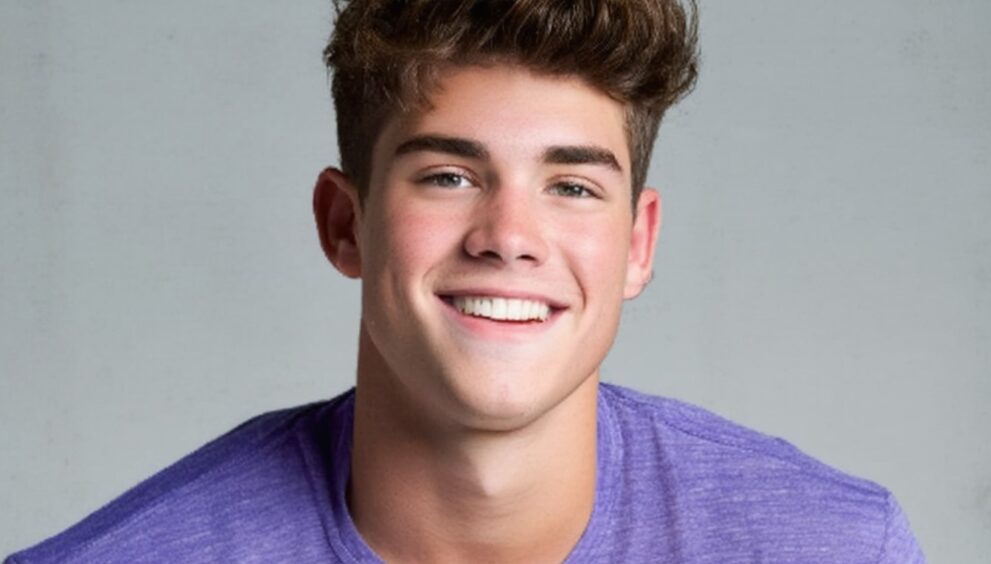
When Netflix’s social experiment “Love Is Blind” returned with its third season, viewers were quickly introduced to a new set of singles hoping to find love sight unseen. Among them, Cole Barnett captured immediate attention with his charismatic personality and sometimes polarizing behavior. His journey through the pods and beyond has been the subject of fervent debate among fans and critics, highlighting bigger conversations about authenticity, vulnerability, and the realities of televised romance. The twists in Cole’s storyline made him both a controversial figure and an unforgettable personality in the evolving world of reality TV dating.
Cole’s “Love Is Blind” Journey: From Charming to Challenging
Meeting the Cast and Finding Connection
Cole Barnett, a real estate agent from Texas, entered the pods with optimism and high energy. Like the rest of the “Love Is Blind” cast, he began the experiment by speed-dating several potential matches without ever seeing their faces. Early on, he formed strong connections with multiple women, notably Zanab Jaffrey and Colleen Reed. Cole’s playful humor and candid nature made him a standout, but it also led to early moments of tension as he struggled to navigate deep conversations about future goals and personal values.
The Love Triangle and Emotional Complexity
The initial episodes focused on a nascent love triangle between Cole, Zanab, and Colleen. Close followers of the show remember how quickly Cole’s preference crystallized, eventually leading to a proposal to Zanab. However, the emotional complexity of his choices—and his openness in sharing uncertainties—sparked conversation about emotional readiness and self-awareness. These dynamics didn’t merely serve up drama for the cameras; they mirrored real-world challenges faced by many daters regarding commitment and honesty.
The Rollercoaster Engagement with Zanab Jaffrey
Challenges After the Reveal
Once the couples left the pods and saw each other in person, new hurdles emerged. For Cole and Zanab, their relationship’s initial spark was tested by insecurities and miscommunications. Cole’s unfiltered comments about physical attraction, including mentions of being more physically drawn to other cast members, created visible rifts. These moments became flashpoints online, with many fans dissecting the impact of casual remarks on partner trust and self-esteem.
Communication Struggles and Reality TV Pressure
The couple’s efforts to work through their issues were captured extensively on screen. Experts in relationship psychology have noted that high-pressure situations—like those presented by reality TV environments—can exacerbate minor misunderstandings or trigger deep-seated insecurities.
“The accelerated timeline and lack of external support systems often seen on shows like ‘Love Is Blind’ can intensify relationship challenges that might otherwise unfold more gradually.” — Dr. Melissa Cartwright, clinical psychologist and media commentator
The show’s format, which compresses deep emotional processes into a matter of weeks, often makes or breaks couples. For Cole, his candid style—while refreshing to some—sometimes came across as insensitive, furthering the divide between him and Zanab.
The Infamous Wedding Day: Breaking Down What Happened
The Unexpected Rejection
The season’s climax arrived during the wedding episode, where Zanab delivered a powerful and unexpected rejection at the altar. In an emotional speech, she recounted moments when she felt belittled or unsupported by Cole, expressing that his words had deeply affected her confidence. This moment was among the season’s most talked-about, sparking thousands of reactions across social media.
“Cuties Controversy” and Audience Debate
Adding to the fallout was the so-called “Cuties Controversy.” In the show’s post-season reunion, an unaired scene involving Zanab, Cole, and a small bag of Cuties clementines was included for context. Some viewers felt the scene exonerated Cole from accusations of body-shaming, while others argued it reinforced ongoing concerns about microaggressions in relationships. The incident illustrates how selectively edited footage can shape—or distort—public perceptions, leaving audiences to debate who was “right” and whether the full story was ever really told.
Post-Show Reflections: Cole’s Perspective and Future
Social Media and Public Reception
Post-show, Cole took to social media to share his experiences and perspective. He acknowledged the hurt caused in his dynamic with Zanab and expressed a desire to learn from the process. Fans have been divided—some sympathizing with Cole’s apparent naivety and openness, others critiquing his lack of maturity and self-reflection.
The Impact of Reality Fame
Like many “Love Is Blind” participants, Cole found himself grappling with a sudden surge in online attention—both positive and negative. Some reality TV veterans note that public scrutiny can intensify personal growth, pushing cast members to reconsider their words and actions in light of widespread feedback.
Beyond individual journeys, Cole’s story has spurred larger conversations about how dating shows frame vulnerability, communication, and accountability. The show’s format places contestants in a crucible where ordinary relationship challenges are played out in front of millions.
Lessons for Viewers and Relationship Realism
What Cole’s Story Reveals about Love on TV
Cole’s arc serves as a case study for the complexities of building relationships in unnatural environments. While some reality TV couples become cautionary tales, their stories also offer genuine insights into communication breakdowns, emotional readiness, and the importance of empathy.
For viewers, these televised relationships underscore an essential point: intimacy cannot be rushed, and true compatibility goes beyond initial chemistry. In practice, couples must navigate not only their emotions but also the narratives constructed by producers and editors.
Reality TV, Editing, and Nuance
The “Love Is Blind” approach hinges on condensing months of dating into days. This often exaggerates normal challenges, giving audiences an intensified version of everyday struggles. As the Cuties Controversy suggests, viewers rarely see the full context, making it crucial to consume reality TV with a critical eye.
Conclusion: Cole Barnett’s Lasting Impact on “Love Is Blind”
Cole Barnett’s journey on “Love Is Blind” remains a defining element of the season—one marked by vulnerability, controversy, and ultimately, personal growth. His experiences both reflected and challenged prevalent dating narratives, offering viewers much to consider about trust, communication, and the role of honesty in lasting connections. In the end, Cole’s story serves as a reminder that televised romance is never straightforward, and the quest for love—no matter how public—requires empathy, patience, and continual self-examination.
FAQs
What happened to Cole and Zanab after “Love Is Blind”?
After the show, Cole and Zanab did not reconcile romantically. Both discussed their experiences publicly, reflecting on communication breakdowns and personal growth.
Did Cole Barnett date anyone else from the show after filming?
There’s no credible evidence that Cole pursued a relationship with other cast members after filming ended, despite the season’s highlighted love triangle.
What was the “Cuties Controversy,” and why did it matter?
The controversy centered on a scene involving Cole and Zanab discussing her eating habits. Its airing sparked debates about intent and the impact of editing on public perception, highlighting how easily narratives can be shaped.
How did viewers react to Cole’s actions during the show?
Audience reaction was mixed. Some empathized with Cole’s openness, while others criticized his lack of sensitivity—demonstrating the polarizing effects of reality TV storytelling.
Is Cole Barnett still active in the public eye?
Since the show, Cole has maintained a social media presence and spoken candidly about his experiences, but he has not returned to reality dating series as of the latest updates.
What are some key takeaways for future reality TV participants?
Effective communication, emotional preparedness, and skepticism about editing are crucial. Reality TV can fast-track exposure but may also magnify everyday mistakes for a global audience.