

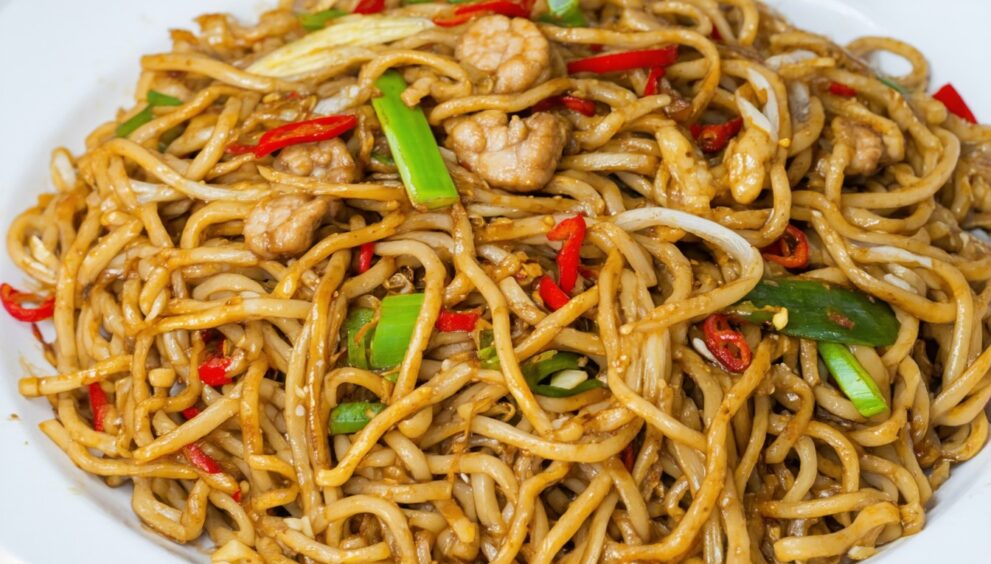
Few dishes in Chinese cuisine evoke as much confusion—and debate—as chow mein and lo mein. Though they share roots in Chinese culinary traditions, their evolution, particularly across Asia and in Westernized menus, has created distinct characteristics. Today, anyone scanning a takeout menu is likely to wonder: What exactly sets these beloved noodle dishes apart?
Chow mein and lo mein both translate to “noodles” in Mandarin, but the similarities end there. Historically, these dishes have diverged in technique, texture, flavor, and even in their role at the dining table. Their popularity, especially in the United States, has only heightened the curiosity around their differences. This detailed comparison unpacks the nuances that define each noodle dish—and explores which might suit your next meal.
Key Differences: Chow Mein vs Lo Mein
Preparation Techniques
At the heart of the chow mein vs lo mein distinction is the cooking method. “Mein” simply means “noodles” in Chinese, but the prefixes “chow” (“to stir fry”) and “lo” (“to toss/mix”) speak volumes about preparation.
- Chow Mein: The noodles are parboiled, then stir-fried at high heat with oil and ingredients—often yielding a crisp or lightly browned texture. There are two main styles—Hong Kong-style (thin noodles, extra crispy) and American-style (pan-fried, still slightly soft).
- Lo Mein: The noodles are fully boiled and tossed with sauce and cooked vegetables or proteins at the very end—usually just long enough to absorb flavor and warmth but not to brown. The result is soft, supple noodles, saturated with sauce.
“The primary difference lies in the approach: chow mein celebrates wok hei and textural contrast, while lo mein is about soft comfort and harmonious soaking of flavors,” explains Chef Mei Lin, a Los Angeles–based expert in traditional Chinese-American cuisine.
Noodle Texture and Thickness
Although both dishes classically use wheat-based egg noodles, texture and thickness vary:
- Chow Mein Noodles: Often thinner, firmer, and sometimes lightly dried before cooking, offering more resistance and the potential for a crisp finish.
- Lo Mein Noodles: Tend to be thicker, rounder, and preserved for chewiness—better for soaks and sauces.
In popular chains and restaurants, suppliers may use slightly different variants, but the textural contrast remains a defining factor.
Ingredient Profiles: What Goes Into Each Dish
Both chow mein and lo mein are vehicles for a wide array of proteins, vegetables, and sauces. Yet, the order and manner of ingredient integration matter.
Core Ingredients
- Proteins: Chicken, beef, shrimp, tofu, pork—all common in both.
- Vegetables: Expect carrots, bean sprouts, cabbage, bell peppers, and onions.
- Aromatics and Sauces: Soy sauce, oyster sauce, ginger, garlic, and sometimes sesame oil.
Sauce Integration
- Chow Mein: Sauce is briefly tossed at the end or added to stir-fry, resulting in a lighter coating. The noodles remain relatively dry, with just enough sauce to flavor the dish.
- Lo Mein: Substantially more sauce is added to fully coat the boiled noodles, creating a richly flavored, glossy appearance.
In American Chinese restaurants, lo mein is likely to arrive in a takeout box, noodles slick and deeply flavored, while chow mein might feature crisp, tangle-like noodles either topped with a stir-fry or mixed throughout.
Popular Variations and Culinary Uses
Global Variants and Local Adaptations
Chow mein and lo mein have crossed borders, spawning creative interpretations:
- Hong Kong-Style Chow Mein: Focuses on ultra-crispy noodles as a base, with stir-fried toppings laid over them—a favorite in Cantonese dim sum houses.
- Vegetarian and Vegan Alternatives: Both dishes now frequently include tofu or mock meats, appealing to modern dietary preferences.
- American Chinese Lo Mein: Sweeter, with thicker noodles and a dark, soy-based sauce—particularly popular in the Northeastern U.S.
When to Choose Chow Mein or Lo Mein
Understanding the strengths of each dish can help diners or home chefs make an informed choice:
- Choose Chow Mein if you crave crunch, lighter saucing, and contrasting textures.
- Opt for Lo Mein when seeking comfort, softness, and noodles as the star of a well-sauced plate.
In fusion kitchens or food trucks—where innovation is encouraged—chefs sometimes combine elements, offering “hybrid” noodle plates that borrow from both traditions.
Nutritional and Dietary Considerations
Health-conscious diners often wonder which dish makes a lighter meal. While ingredients play the largest role, cooking methods and portion sizes can impact nutrition.
- Chow Mein: Because noodles are stir-fried, sometimes with more oil, calorie counts can climb, especially with crispy versions.
- Lo Mein: While less oil is usually involved and the sauce offers moisture, sodium content may be higher due to liberal sauce usage.
That said, fresh vegetables and lean proteins can tilt either dish toward the healthy side. Home cooks can easily adapt either style—using whole-wheat noodles, low-sodium soy sauce, or increasing green content.
“Awareness of ingredients and preparation lets you transform either dish into a nutritious choice,” notes registered dietitian Amy Chow. “Experimenting at home allows for customization that fits personal dietary needs.”
Real-World Examples and Trends
Across the food delivery landscape in North America and Europe, “noodle bowl” orders remain among the fastest-growing segments, with lo mein and chow mein leading the way in pan-Asian takeout. Chains like Panda Express and local mom-and-pop Chinese restaurants both bank on these classics, often tweaking texture and sauce to regional tastes.
In food media, there is a renewed interest in authentic technique, as demonstrated by YouTubers and chefs dedicated to demystifying Chinese cuisine for home cooks. It’s not uncommon to see chow mein techniques featured on social channels, where audiences seek the elusive “wok hei”—the flavor of high-heat stir-frying.
Conclusion
Distinguishing chow mein from lo mein is about more than noodle choice; preparation, sauce integration, and culinary intent shape these time-honored dishes. While chow mein delivers crunch and aromatic wok-char, lo mein offers softness and a flavor-forward experience. Both have proven, over decades and continents, to be endlessly adaptable and crowd-pleasing. For those eager to explore, experimenting in your own kitchen with both styles can unlock deeper appreciation—and perhaps a new family favorite.
FAQs
What is the main difference between chow mein and lo mein?
Chow mein noodles are stir-fried, often resulting in a crisp texture, while lo mein noodles are boiled and then tossed with sauce, making them softer and saucier.
Can you use the same noodles for both dishes?
Technically, yes, but authentic results use thinner noodles for chow mein (for crispiness) and thicker, chewier noodles for lo mein.
Which dish is healthier: chow mein or lo mein?
It depends on preparation. Chow mein may use more oil, while lo mein can be higher in sodium due to sauce. Both can be healthy if made with plenty of vegetables and lean proteins.
Why do some restaurants serve chow mein with crispy noodles and others do not?
Regional preferences and the style of the restaurant determine this; Cantonese-style chow mein often features a crispy noodle base, especially in dim sum or Hong Kong–style eateries.
Is there a vegetarian or vegan option for either dish?
Absolutely. Both chow mein and lo mein can be made with tofu or plant-based proteins, along with assorted vegetables, making them suitable for most dietary needs.
What is the best way to make authentic chow mein or lo mein at home?
Start with high-quality, fresh noodles and use a hot wok for chow mein. For lo mein, focus on making a flavorful sauce and toss it with cooked noodles and your preferred mix-ins.