

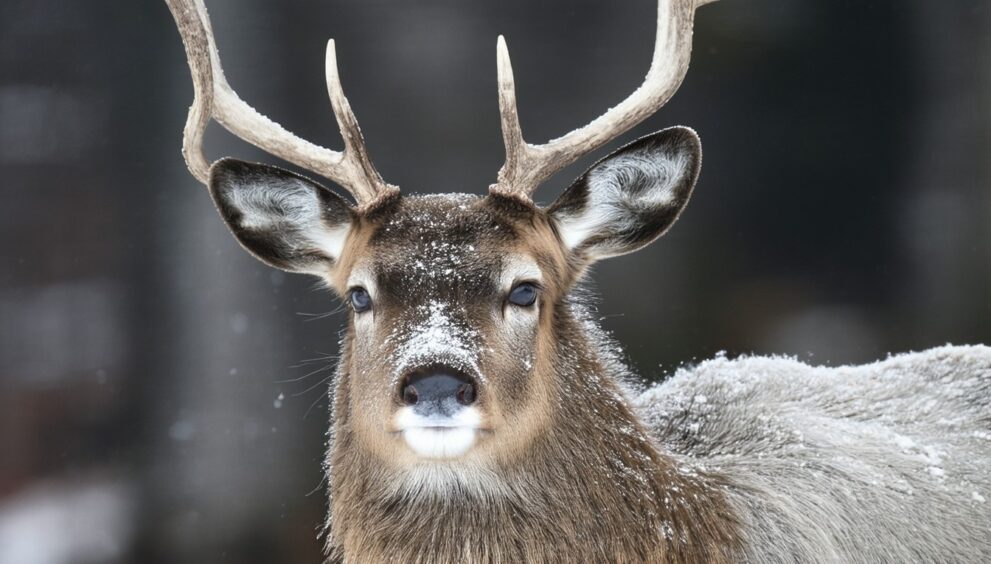
Reindeer possess an unmistakable silhouette—broad muzzles, thick fur, and their most iconic feature, towering antlers sweeping skyward. The classic image, immortalized by holiday tales and winter wildlife documentaries, often sparks an intriguing question each winter: Do female reindeer have antlers? Unlike most other deer species, the answer reveals fascinating evolutionary strategy, challenging folklore and deepening our understanding of these hardy Arctic mammals.
The Unusual Antlered Females: Setting Reindeer Apart
Reindeer vs. Other Deer Species
In the world of deer, antlers are traditionally a male trait. Species like white-tailed deer, elk, and moose only grow antlers on the males, which they use for sparring, display, and defense during mating season. However, reindeer—also known as caribou in North America (Rangifer tarandus)—defy this norm. Both male and female reindeer grow antlers, making them unique among Cervidae.
Why Female Antlers?
This trait didn’t arise by chance. Wildlife biologists suggest that the evolution of antlered females is closely linked to the harsh environments reindeer inhabit. In the tundra and boreal forests, competition over food during the bleak winter months is intense. While males shed their antlers by late autumn after the rut, females keep theirs through winter and often into early spring.
“Antlers in female reindeer provide a competitive advantage, enabling access to limited food resources in deep snow when pregnant females need it most,” explains Dr. Cheryl Brown, a northern ungulate ecologist.
The Reindeer Antler Cycle: Survival and Seasonality
Growth and Shedding Patterns
Understanding the timing of antler growth and shedding unlocks key insights about both biology and traditional tales. Male reindeer typically shed their antlers between November and December, after the mating season ends. Females, meanwhile, retain their antlers throughout the winter, shedding them only after calving in spring.
This disparity gives pregnant females a critical edge. In deep Arctic snow, the ability to displace others from prime feeding grounds can mean the difference between survival and starvation. Dominant females, often recognized by their largest antlers, can therefore secure vital nutrients for their developing calves.
Subtle Differences: Female vs. Male Antlers
While both sexes grow antlers, there are notable differences:
- Size and Shape: Female reindeer antlers are generally smaller and less elaborately branched than those of males, but remain substantial compared to most deer species.
- Cycle Length: Females keep antlers longer, primarily from spring through the following spring, while male antlers are grown and shed annually in rhythm with the rut.
Adaptations for Arctic Life
Beyond mere competition, antlers serve as snow-clearing tools and defense against predators. These adaptations are particularly vital in the wind-scoured open spaces of Eurasia and North America.
Fact vs. Folklore: The Santa Claus Connection
A perhaps unintentional quirk of antler biology has made its way into global holiday traditions. The popular depiction of Santa Claus’s reindeer sporting full sets of antlers each winter stems from real reindeer biology. Since only female reindeer keep their antlers through December, a literal interpretation suggests Santa’s team would primarily be female or young males.
This surprising reality delights wildlife experts and storytellers alike:
“It’s a fun coincidence that the legends got it right—Santa’s antlered reindeer are almost certainly female or calves, not stags,” notes Dr. Brown.
The Science Behind the Antlers: Hormones and Hardiness
Hormonal Drives
Testosterone drives antler growth in males, aligning with the autumn rut. For females, antler growth is influenced by a combination of factors, including estrogen and pregnancy-related hormones. This difference ensures the reproductive needs of both sexes are met, underpinning their unique ecological roles.
Nutrition and Environmental Stress
Antler growth is metabolically expensive—requiring protein, minerals, and substantial energy. In practice, harsh winters and sparse forage can limit antler development, especially in females facing nutritional stress. Despite these challenges, studies have found that most healthy wild female reindeer maintain at least small antlers each winter.
Real-World Implications: Conservation and Changing Climates
Herd Management Insights
For Indigenous peoples and Arctic communities, recognizing the antler patterns of reindeer is crucial for herd health monitoring and sustainable harvest. Seasonal antler retention helps differentiate between males and females during important subsistence activities, especially in reindeer herding societies across Scandinavia and Russia.
Climate Change Concerns
Warming winters and shifting food availability may eventually impact antler development and the reproductive success of reindeer herds. Conservationists track antler retention and body condition as indicators of ecosystem health, underscoring their value beyond mere biological curiosity.
Key Takeaways and What We Learn from Reindeer Antlers
The answer to whether female reindeer have antlers is a resounding yes—an adaptation forged in Arctic hardship, punctuated by seasonal biological rhythms. Antlered females are a reminder of the extraordinary strategies animals evolve to persist and thrive in some of the planet’s harshest environments. The survival advantages, cultural significance, and ecological lessons offered by reindeer antlers continue to shape both scientific understanding and public imagination.
FAQs
Do all female reindeer grow antlers?
Most adult female reindeer do grow antlers, though their size varies and a minority may lack antlers, especially if health or nutrition is poor.
Why do female reindeer keep their antlers longer than males?
Females retain antlers through winter to secure access to food during pregnancy, giving them a critical advantage during the most challenging months.
Are reindeer the only species where females have antlers?
Reindeer are unique among deer in that females regularly grow antlers; other deer species have this trait rarely or not at all.
How can you tell a male from a female reindeer in winter?
In winter, males usually lack antlers while most adult females retain theirs, making antlered individuals in December likely to be female.
Is it true Santa’s reindeer would have to be female?
Given that only females keep their antlers into the winter, the classic depictions of Santa’s antlered team suggest they are primarily female or young males.
What influences the size of female reindeer antlers?
Nutrition, health, genetics, and age all play roles in determining the size and shape of a female reindeer’s antlers. Healthier individuals develop larger, more robust antlers.