

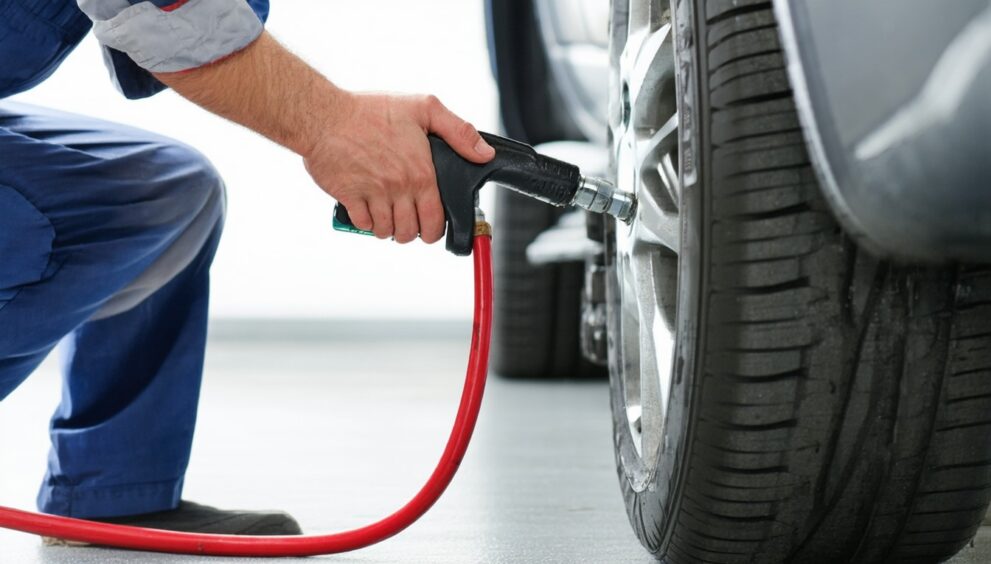
Tire pressure plays a pivotal role in vehicle safety, fuel efficiency, and overall driving experience. The right tire pressure ensures optimal traction, braking, and cornering while also prolonging the lifespan of your tires. According to the National Highway Traffic Safety Administration (NHTSA), under-inflated tires are a leading cause of tire failure, which can result in dangerous blowouts and accidents on the road. In an era of rapidly evolving automotive technology, basic maintenance like checking tire pressure remains an essential skill for drivers everywhere.
Beyond safety, regularly inspecting tire pressure can translate into real savings at the fuel pump. Properly inflated tires reduce rolling resistance—the force your vehicle must overcome to move—meaning your engine doesn’t have to work as hard. Industry studies suggest that maintaining correct tire pressure improves fuel economy by as much as 3%, a notable benefit given fluctuating gas prices.
Tools and Preparation: What You Need to Check Tire Pressure
Before beginning, it’s important to have the appropriate tools and knowledge:
- Tire Pressure Gauge: Digital or analog, this affordable tool provides accurate readings. Many industry experts recommend digital gauges for their ease of use and precision.
- Owner’s Manual/Driver’s Side Door Placard: Here, you’ll find the manufacturer’s recommended PSI (pounds per square inch) for your vehicle’s tires.
- Air Compressor or Pump: Available at most gas stations or as portable versions for home use.
It’s best to check tire pressure when tires are cold—meaning the vehicle has been parked for at least three hours or driven less than a mile. Heat from driving can cause tire pressure to rise, producing less accurate readings.
Step-By-Step Guide: How to Check Tire Pressure Accurately
Performing a tire pressure check is straightforward when approached methodically:
1. Locate PSI Recommendations
The correct PSI for your tires is not found on the tire itself (which lists maximum pressure), but in your owner’s manual or on the placard inside the driver’s side door.
2. Remove the Valve Cap
Unscrew the small cap on your tire’s valve stem and place it somewhere safe.
3. Attach Tire Pressure Gauge
Press the gauge onto the valve stem firmly. You should hear a brief hiss of air—this is normal. For digital gauges, a reading should appear almost instantly; for analog, note the position of the needle.
4. Read and Interpret the Result
Compare the reading to your manufacturer’s recommended PSI. If the number is lower, add air; if higher, release air slowly until it matches the recommendation.
5. Recheck and Replace Cap
Always double-check the reading after inflating/deflating, then replace the valve cap to protect the stem from dirt and moisture.
6. Repeat for All Tires
Don’t forget the spare tire—a well-maintained spare may become crucial in an emergency.
“Checking tire pressure monthly is one of the simplest and most effective routines for vehicle owners. Proper monitoring can prevent premature tire wear and save lives,” explains Laura Gonzalez, ASE-certified automotive technician.
When and How Often Should You Check Tire Pressure?
Experts agree that tire pressure should be checked at least once a month and before long trips, especially during seasonal transitions when outdoor temperatures fluctuate. Dramatic temperature shifts can cause significant changes in tire pressure—typically, a 10-degree Fahrenheit drop can lower tire pressure by about 1 PSI. Owners of newer vehicles may benefit from built-in Tire Pressure Monitoring Systems (TPMS), but manual checks remain important, as TPMS often only alerts for significant underinflation.
Special Considerations: Tire Pressure in Different Conditions
Seasonal Effects
- Winter: Cold weather decreases tire pressure, increasing the risk of under-inflation.
- Summer: Hot pavement and long drives can cause pressure to rise. It’s still best to check pressure before driving.
Vehicle Load
If transporting heavy loads or towing, manufacturers often recommend increasing tire pressure within the maximum allowable limit. This adjustment should always be referenced against vehicle guidelines.
Common Mistakes to Avoid When Checking Tire Pressure
Even experienced drivers sometimes make errors that compromise accuracy or tire longevity:
- Relying on Visual Inspection: Modern radial tires can appear properly inflated when, in fact, they are significantly under-inflated.
- Neglecting the Spare Tire: Failing to check the spare can leave drivers stranded at the worst moment.
- Measuring While Tires Are Hot: Driving heats up air inside the tire, giving a falsely high reading.
- Ignoring Pressure Changes After Road Trips or Temperature Swings: Failing to adapt maintenance to conditions can lead to chronic under- or over-inflation.
The Benefits of Regular Tire Pressure Checks
Routine tire pressure maintenance yields both short-term and long-term benefits:
- Safety: Lower risk of blowouts and improved vehicle handling.
- Cost Savings: Longer tire life and better fuel economy.
- Environmental Impact: Greater efficiency results in lower carbon emissions.
A study published by the Rubber Manufacturers Association found that a significant portion of vehicles on the road have at least one tire under-inflated. This widespread issue underscores the need for regular attention, regardless of vehicle age or make.
Conclusion: Tire Maintenance Starts with Pressure Checks
Checking tire pressure is neither time-consuming nor complicated, yet its benefits are substantial. Consistent monitoring, using the correct tools and following recommended guidelines, ensures safer roads, reduced operational costs, and increased tire lifespan. For those striving for responsible, cost-effective vehicle ownership, prioritizing tire pressure maintenance is both a fundamental habit and a smart investment.
FAQs
How do I know what the correct tire pressure is for my car?
The recommended PSI is usually found in your vehicle’s owner’s manual or on a sticker inside the driver’s door. It is rarely the number printed on the tire itself, which refers to maximum capacity.
Can I check tire pressure without a gauge?
While visual checks are possible, they are unreliable. To ensure safety and accuracy, always use a tire pressure gauge.
How often should I check my tire pressure?
Most experts recommend checking at least once a month and before long road trips. Temperature changes or carrying heavy loads may require more frequent checks.
What happens if my tire pressure is too low or too high?
Under-inflated tires can cause poor handling, increased tire wear, and higher risk of blowouts. Over-inflated tires may reduce traction and cause uneven tread wear.
Does tire pressure affect fuel economy?
Yes, under-inflated tires create more rolling resistance, forcing your engine to consume more fuel. Maintaining the proper tire pressure can improve your vehicle’s efficiency and save money at the pump.
Is it necessary to check the spare tire’s pressure?
Absolutely. A properly inflated spare is essential and could be a lifesaver in emergencies. Include your spare tire in routine checks to avoid being caught unprepared.