

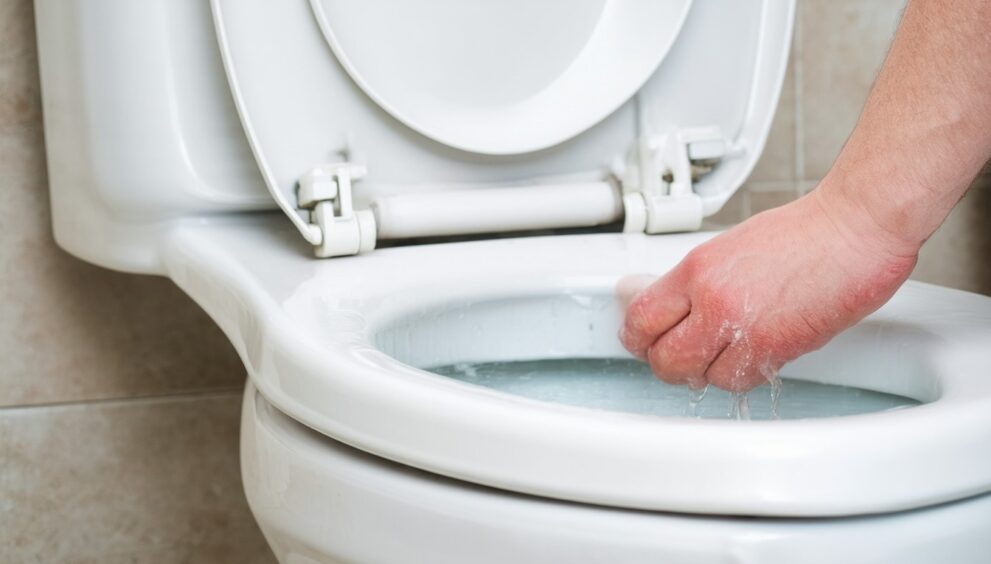
Encountering a clogged toilet is a household setback that demands an immediate and effective solution. Whether it’s in the middle of a busy morning or during a family gathering, a blocked toilet disrupts daily routines, raises sanitation concerns, and can lead to costly plumbing bills if left unresolved. According to plumbing industry estimates, a significant share of emergency plumber calls are due to toilet or drain blockages—underscoring the practical value of knowing how to address this common issue efficiently.
Beyond personal inconvenience, lingering clogs can pose hygiene risks and even contribute to water damage or unpleasant odors. With a bit of know-how, most blockages can be managed without professional intervention, saving both time and money. The following guide will walk through proven, easy-to-implement techniques and expert-backed advice on what to do when a toilet refuses to flush properly.
Essential Tools Before You Start
Preparation is pivotal to unclogging a toilet safely and effectively. Before tackling the task, gather basic supplies:
- Heavy-duty rubber gloves: Protect hands from bacteria and dirty water.
- Plunger: Preferably a flange-style plunger, designed specifically for toilets.
- Toilet auger (also called a plumber’s snake): For persistent or hard-to-reach clogs.
- Old towels or rags: Useful for quick clean-up in case of overflow.
- Bucket and cup: To remove excess water if necessary.
Having these items accessible can make the process more efficient and sanitary. In rental and multi-family settings, these tools are considered basic necessities for property maintenance.
Method 1: The Right Way to Use a Plunger
Not all plungers are created equal. For toilets, a flange plunger—with its extended rubber flap—forms a tighter seal within the toilet drain and is much more effective than a standard cup plunger.
Step-by-Step Instructions
- Put on gloves and ensure the toilet bowl has enough water to cover the plunger’s head.
- Insert the plunger into the drain opening, making sure the flange is sealed around the hole.
- Push down slowly, then pull back up sharply, maintaining the seal. Repeat with forceful but controlled pumps for at least 15–20 seconds.
- Check water levels and flushing. If the water begins to drain, add more water to facilitate clearing the remaining clog and ensure proper flush.
Often, a solid round of plunging is enough to clear minor to moderate blockages. Professional plumbers note that using short, quick plunges is more productive than erratic or overly forceful motions.
“Many homeowners underestimate the power of proper plunging technique. A good seal and consistent motion are more important than brute force.”
— Jason Reed, Licensed Master Plumber
Method 2: DIY Solutions Using Household Products
Hot Water and Dish Soap
For minor blockages, sometimes mechanical force isn’t necessary. Pouring a generous squirt of dish soap followed by a full bucket of hot (not boiling) water into the bowl can soften and shift organic blockages. Allowing this mixture to work for 15–20 minutes may be enough to dissolve the clog and restore function.
Baking Soda and Vinegar
A favored eco-friendly approach, pouring one cup of baking soda followed by two cups of vinegar into the bowl can create a fizzing reaction that helps loosen debris. Wait for the bubbling to subside before flushing with hot water for best results.
This approach is safest for both pipes and the environment but may be less effective on stubborn or non-organic blockages compared to mechanical methods.
Method 3: When to Use a Toilet Auger
For tougher clogs that resist plunging, a toilet auger—also known as a closet auger—is invaluable. Its flexible cable maneuvers around the toilet’s trap, breaking apart or retrieving the obstruction.
Safe Use Instructions
- Carefully insert the auger’s tip into the drain, cranking the handle gently.
- Do not force the auger; let the tool’s flexible coil navigate the trap.
- Retrieve or dislodge the clog by either pulling back debris or pushing it through the pipe.
- Finish by flushing, repeating if necessary.
Toilet augers are particularly effective for cases where children’s toys, excessive paper, or sanitary products have caused the blockage.
What NOT to Do: Mistakes to Avoid
A panicked response can lead to bigger repairs than the initial clog. Avoid these common missteps:
- Never use chemical drain cleaners in toilets. These products can damage porcelain, corrode pipes, and release dangerous fumes in confined spaces.
- Don’t keep flushing repeatedly. Multiple flushes with a clogged drain risk overflow and can make the mess harder to address.
- Avoid makeshift tools. Improvised solutions, like wire hangers, risk scratching porcelain, damaging pipes, or pushing the blockage deeper.
Real-world cases highlight that severe plumbing damage often results from inappropriate attempts at home fixes, rather than from the initial blockage itself.
When to Call a Professional
While most common toilet clogs can be managed with the above methods, there are situations when expert help is warranted:
- Recurring clogs suggest a deeper plumbing issue, such as a blocked sewer line or vent stack.
- Water backing up into other drains, such as sinks or bathtubs, signals a systemic blockage.
- Continued failure after using both a plunger and auger indicates the need for a professional assessment.
Professional plumbers not only clear the immediate obstruction but also inspect for underlying causes, preventing future incidents.
Preventing Future Toilet Clogs
Prevention is always preferable to a messy emergency. Simple behavioral changes can make a dramatic difference:
- Flush only human waste and toilet paper. Avoid flushing wipes, feminine hygiene products, cotton swabs, or paper towels—even those labeled “flushable.”
- Use less toilet paper whenever practical, and flush in stages for larger amounts.
- Regular maintenance: Periodically check for slow drains, gurgling sounds, or changes in water level.
Many public and commercial facilities post signage reminding users not to flush foreign objects—a practice increasingly adopted in private homes with high-traffic bathrooms.
“A proactive approach—educating household members and performing routine checks—reduces emergency clogs and plumbing bills dramatically.”
— Emily Parsons, Facility Manager, Community Living Center
Conclusion
Knowing how to unclog a toilet efficiently is an essential life skill that saves time, money, and stress. By equipping yourself with the right tools, using effective methods like plunging or augering, and understanding when to seek help, you can confidently manage most clogs as they arise. The key takeaway is preparation and calm persistence—combined with preventive habits to reduce the risk of future plumbing headaches. For complicated or persistent problems, professional intervention ensures both safety and long-term peace of mind.
FAQs
What is the best type of plunger for unclogging a toilet?
A flange plunger is most effective for toilets because its rubber extension forms a strong seal inside the toilet drain, maximizing suction and clearing clogs more efficiently than a standard cup plunger.
Can chemical drain cleaners unclog a toilet safely?
Chemical drain cleaners are generally not recommended for toilets as they can damage porcelain, corrode pipes, and create hazardous fumes. Mechanical solutions like plungers or augers are safer alternatives.
What household items help unclog a toilet quickly?
Hot water mixed with dish soap can help dissolve organic clogs, while a combination of baking soda and vinegar may loosen debris. These methods are safe for home use but may not work for severe or non-organic blockages.
When should I call a plumber for a clogged toilet?
If a toilet remains clogged after you’ve tried plunging and using a toilet auger, or if multiple fixtures are affected, it’s time to contact a professional. These signs may indicate a deeper blockage in the plumbing system.
How can I prevent toilet clogs in the future?
Only flush human waste and toilet paper, avoid using excessive paper at once, and regularly monitor for slow drainage or gurgling noises. Reminding all household members of these best practices helps maintain clear pipes and functional toilets.
Are wipes labeled “flushable” truly safe for toilets?
Despite marketing claims, most “flushable” wipes don’t break down quickly and can cause blockages in both home and municipal sewer systems. It’s safest to dispose of them in the trash instead.