

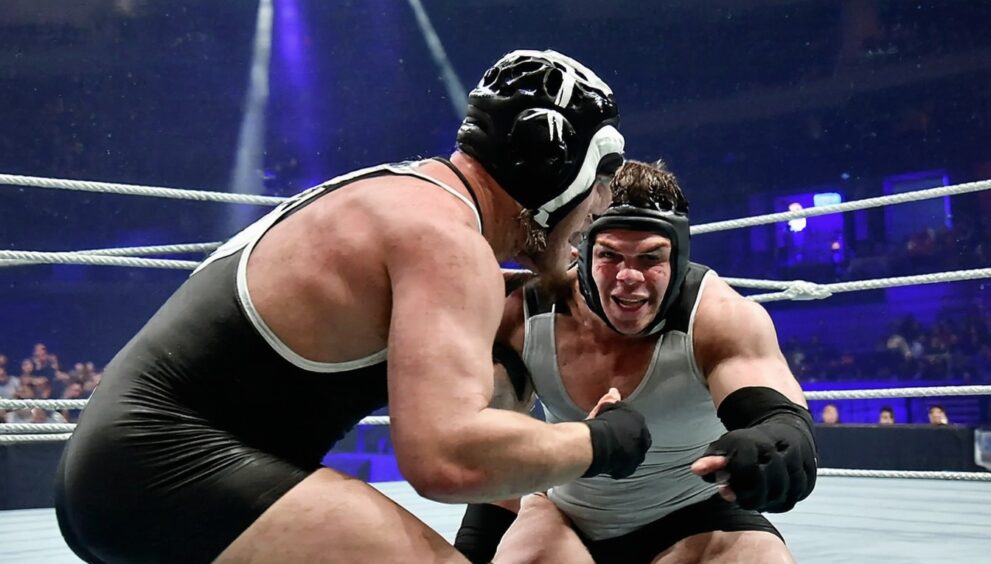
Saturday night and professional wrestling, for millions of fans, are an iconic combination. No show embodies this partnership better than “Saturday Night Main Event”. First launched in the mid-1980s, this flagship wrestling program broke new ground for sports entertainment on broadcast television—uniting legendary athletes, unforgettable storylines, and mainstream exposure in a way previously unseen.
From its inception, Saturday Night Main Event (often abbreviated as SNME) provided wrestling an untapped prime-time platform and played a critical role in shaping the modern landscape of televised sports entertainment. With decades of broadcasts and a revolving cast of superstars, its legacy endures both as nostalgia and as a benchmark for wrestling spectacles.
The Rise and Impact of Saturday Night Main Event
A Breakthrough for Wrestling on Network Television
Before the debut of SNME in 1985, professional wrestling shows were typically confined to syndicated weekend slots or late-night cable. NBC’s decision to slot wrestling into a regular late-night, Saturday prime-time space marked a dramatic shift. It allowed the then-World Wrestling Federation (now known as WWE) to connect with mainstream American households in a way that was previously impossible.
The program often pre-empted the late-night sketch show “Saturday Night Live,” filling the coveted time slot with blockbuster wrestling matches and charismatic personalities like Hulk Hogan, “Macho Man” Randy Savage, and André the Giant. Quickly, Saturday Night Main Event earned a reputation for drawing major ratings—at times outperforming popular TV dramas and sports broadcasts.
Memorable Moments and Cultural Influence
SNME is remembered for delivering some of the most dramatic and consequential matches in wrestling history. Highlights from its early years include:
- Hulk Hogan defending the WWF Championship against a roster of formidable challengers.
- The explosive formation and clashes of tag teams such as The Mega Powers (Hogan and Savage) and The Hart Foundation.
- Celebrity appearances, with figures like Cyndi Lauper and Mr. T bridging mainstream entertainment and wrestling.
Beyond its matches, SNME captured the era’s appetite for spectacular characters, theatrical storylines, and the emotionally charged spectacle of good vs. evil.
“What made Saturday Night Main Event truly special was its ability to bring larger-than-life moments into the living rooms of families who might never attend a wrestling event in person,” says wrestling historian David Shoemaker. “It made superstars into household names almost overnight.”
Format Innovations and Signature Elements
Short, High-Energy Episodes
Unlike the longer weekly shows or pay-per-views, SNME’s format typically offered a brisk runtime—around 60 to 90 minutes. Most episodes showcased four to six matches and kept the action moving with fast-paced interviews, vignettes, and storyline development.
This approachable format made the show more accessible to casual viewers and delivered maximum entertainment density—a blueprint many wrestling promotions emulate today when designing network specials.
Storyline Shakeups and Surprises
SNME became famous for major storyline turns and cliffhangers:
- Title changes and shocking betrayals often unfolded live, heightening the sense of unpredictability.
- Key alliances formed or crumbled in prime time, giving fans a reason to tune in—beyond just routine matches.
- Memorable angles, such as the breakup of The Mega Powers, were staged deliberately on SNME for maximum impact.
These innovations established the show as both a narrative milestone and a driver of buzz for the wrestling industry.
SNME’s Enduring Legacy and Revivals
Influence on Subsequent Wrestling Television
The success of SNME demonstrated that wrestling could thrive on network television, opening doors for subsequent prime-time specials, crossover events, and episodic storytelling innovations. Its DNA lives on in flagship shows like WWE Raw and SmackDown—each regularly incorporating elements first popularized by SNME.
More recently, network and streaming platforms have returned to the “special event” model, using one-night occasions to spike viewership and build storyline drama.
Revivals and Modern Iterations
Although SNME’s original run concluded in the early 1990s, WWE revived the series multiple times (notably in 2006 and 2008), bringing the concept into the modern age with updated production values and rosters. These revivals tapped into nostalgia but also introduced the historic format to younger audiences and fresh talent.
Wrestling critics often regard SNME’s legacy as foundational—showing how presentation, time slots, and spectacle can transform not just wrestling, but television itself.
Behind the Scenes: Production and Broadcast Insights
Collaboration Between WWE and NBC
SNME was a product of unique collaboration between WWE (then WWF) and NBC Sports, blending Vince McMahon’s promotional flair with NBC’s prime-time reach and marketing power. The alliance provided both flexibility and resources, allowing the show to attract A-list stars and deliver events with exceptional production values for the era.
Audience Reactions and Ratings
For several years, SNME’s episodes consistently ranked among the most-watched television programs in their time slot—reflecting both the novelty of wrestling in prime time and the broad allure of its cast. Ratings often spiked during marquee matches or when storylines intersected with pop culture events, illustrating the show’s far-reaching impact.
Major Stars and Epic Rivalries
Saturday Night Main Event served as the battleground for some of wrestling’s most intense rivalries and breakthrough performances:
- Hulk Hogan vs. André the Giant: Their matches, including the legendary confrontation leading to WrestleMania III, drew massive attention and changed the trajectory of the business.
- Ultimate Warrior’s meteoric rise: Key victories on SNME helped launch Warrior as a main-event fixture.
- Sensational Sherri, Miss Elizabeth, and the evolving role of women: The inclusion of female managers and on-camera personalities provided early blueprints for increased women’s visibility in wrestling.
These rivalries, fueled by SNME’s mainstream visibility, set the stage for larger pay-per-view blockbusters.
The Future of Special Wrestling Events
With media fragmentation and digital streaming, wrestling promotions continue experimenting with event formats reminiscent of SNME. Special live broadcasts—now on network TV, cable, and even streaming services—often recapture the excitement, unpredictability, and star power that made Saturday Night Main Event a household name.
Looking ahead, the fusion of nostalgia with new storytelling could see further revivals or modern tributes to the SNME model. The show’s balance of accessibility, surprise, and spectacle remains relevant in today’s entertainment ecosystem.
Conclusion
Saturday Night Main Event stands as a landmark achievement in both wrestling and television history. Its pioneering format brought headline wrestling action into the mainstream spotlight and set the tone for future generations of sports entertainment. With its knack for innovation, star power, and unforgettable moments, SNME remains a touchstone for fans and industry insiders alike—a vivid reminder of the lasting appeal of wrestling’s biggest stage.
FAQs
What made Saturday Night Main Event different from other wrestling shows?
SNME aired in a prime-time slot on network television, delivering high-profile matches and dramatic moments that reached a much broader audience than traditional syndicated wrestling shows.
Who were some of the key wrestlers featured on SNME?
Icons like Hulk Hogan, Randy Savage, André the Giant, the Ultimate Warrior, and tag teams such as The Hart Foundation regularly appeared, often participating in headline bouts and major storylines.
Has Saturday Night Main Event been revived in recent years?
Yes, WWE revived the series in the mid-2000s, airing several special episodes that honored the original’s format while showcasing new stars and updated production.
Did title changes often happen on Saturday Night Main Event?
Though less frequent than on pay-per-views, several major title changes or storyline twists occurred on SNME, making it a must-watch for fans wanting to witness important wrestling history unfold live.
Why is Saturday Night Main Event still talked about today?
Its influence on both wrestling storytelling and television production endures, serving as a model for how special events can engage mainstream audiences and deliver unforgettable entertainment.