

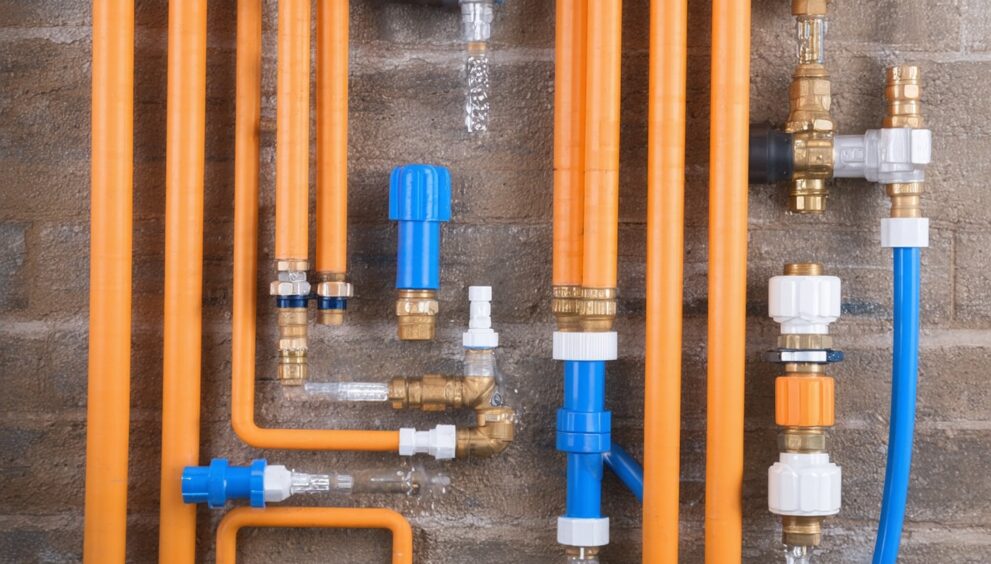
PEX, or cross-linked polyethylene, has dramatically transformed plumbing over the last two decades. Its flexibility, resistance to corrosion, and cost efficiency have led builders, remodelers, and homeowners alike to favor PEX piping over traditional copper or PVC. But within the PEX family, not all pipes are created equal. The two primary types—PEX A and PEX B—offer unique advantages and drawbacks. Knowing their distinctions can mean the difference between a seamless installation and years of future headaches.
Core Differences Between PEX A and PEX B
While both PEX A and PEX B share a base polymer, they diverge in their cross-linking processes—a critical factor shaping their physical properties and best-use scenarios.
Cross-Linking Methods
- PEX A employs the Engel method, or peroxide cross-linking, completed during the extrusion process. This results in the highest degree of cross-linking (typically over 80%).
- PEX B uses the silane method (also known as the moisture-cure method), with cross-linking occurring after extrusion and resulting in slightly lower cross-link density, usually around 65-70%.
These technical distinctions affect how the pipes handle bending, freezing, joining, and aging—vital considerations for both professionals and DIYers.
Physical and Performance Traits
Flexibility:
PEX A is notably more flexible and forgiving. It can bend around tight corners and is less prone to kinks during installation, often “healing” minor kinks with heat. This flexibility makes it a favorite for retrofits in complex layouts.
Durability:
PEX B offers improved rigidity and shape retention, giving it a slight edge in straight runs and open installations, such as new builds. While less flexible than PEX A, it’s still significantly more pliable than copper or CPVC.
Burst Resistance:
Both types outclass copper in freeze protection, but PEX A’s flexibility grants it the highest burst resistance when subjected to expanding ice.
Clarity from Codes and Documentation:
Neither PEX A nor PEX B contains BPA or other concerning additives in standard North American brands, addressing widespread worries over drinking water safety.
Installation and Fitting Systems
Installation approaches for PEX A and PEX B differ mainly in their compatibility with various connection systems.
- PEX A can utilize expansion fittings (like the popular Uponor/Wirsbo system), which expand the pipe before inserting a fitting. This method reduces the chance of leaks and typically ensures the most reliable seal.
- PEX B is most often installed with crimp or clamp ring systems. While the fittings may restrict the internal diameter slightly more than expansion systems, they cost less and use simpler tools. Some brands, such as SharkBite, offer push-to-connect fittings compatible with both types.
“When choosing between expansion and crimp connections, it’s not just about cost—it’s about long-term serviceability and the installation environment,” notes Emily Tinsley, a veteran plumbing contractor and industry educator.
In practice, expansion connections (favored by PEX A) are regarded as highly resistant to leaks under normal conditions—especially where freeze-thaw cycles are a concern.
Cost Comparison and Market Trends
The price gap between PEX A and PEX B has narrowed as demand and manufacturing scale have increased. However, PEX B is usually more economical per foot—making it the go-to for large projects or budget-conscious builds.
- PEX A: Higher material cost, but possibly offset by faster installation and reduced labor for complex layouts.
- PEX B: Cheaper and widely available, with very good long-term durability.
Anecdotally, commercial projects and volume homebuilders gravitate toward PEX B to keep costs predictable, while remodelers and plumbers handling older homes often value PEX A’s repairability and flexibility.
Longevity, Warranty, and Safety
Both PEX A and PEX B are rated for over 50 years of life under typical residential use, provided they are installed to code and not exposed to direct sunlight (UV light degrades all PEX types).
Major North American manufacturers (like Uponor, Rehau, Viega, and SharkBite) offer 25-year or longer warranties on both types, contingent on proper installation and use of recommended fittings. Failures in the field are rare and often traced to mechanical damage, improper connections, or UV overexposure—rather than flaws in the pipe itself.
Regarding safety:
- Both PEX A and PEX B are certified to NSF/ANSI standards for drinking water and are widely accepted in plumbing codes throughout the US and Canada.
- Some advocacy groups have raised questions about “leaching” when first installed, but rigorous peer-reviewed studies show contaminant levels remain below federal health standards and dissipate with flushing.
Applications: Where Each Type Excels
Best Use Cases for PEX A
- Complex remodels or retrofits with tight spaces and many bends.
- Areas prone to extreme cold and potential freezing.
- Where speed of installation and kink recovery is vital.
- Projects requiring expansion connections for robust freeze resistance.
Best Use Cases for PEX B
- New constructions with long, straight pipe runs.
- Large-scale, high-volume residential or commercial projects.
- Situations prioritizing material cost efficiency.
- Installations using common crimp or clamp-ring fittings.
Pros and Cons at a Glance
PEX A
Pros:
– Most flexible and easiest to work with in tight spaces.
– Good resistance to kinking (can be fixed with heat).
– Compatible with expansion fittings for superior leak resistance.
Cons:
– Higher material cost.
– Slightly greater likelihood of chemical leaching in the initial phase (still safe by standards).
PEX B
Pros:
– More affordable per foot.
– Stiffer for straight runs; holds shape well during installation.
– Excellent long-term durability with common fittings.
Cons:
– Harder to repair if kinked.
– Slightly more restricted internal diameter with crimp/clamp fittings.
– Less flexible, making retrofitting more challenging.
Making the Right Choice
Choosing between PEX A vs. PEX B requires balancing flexibility, installation speed, cost, and the specifics of your project. Consulting local code requirements and factoring in your skill with expansion or crimping tools can further clarify the decision.
“There’s never a one-size-fits-all answer—what matters is matching the pipe’s strengths to your particular plumbing scenario,” advises Tinsley.
For new builds and budget-minded installations with long, straight runs, PEX B offers reliability at a lower price. For intricate repiping, remodels, or regions with harsh winters, PEX A’s flexibility and freeze resistance may save labor and future repairs.
Conclusion
PEX A and PEX B each bring proven durability, safety, and modern convenience to plumbing. Understanding their differences in flexibility, installation methods, cost, and application helps ensure plumbing systems are efficient, resilient, and compliant. Whether you’re a professional or a homeowner, an informed choice between PEX A and PEX B leads to fewer headaches both during the job and for decades to come.
FAQs
What is the main difference between PEX A and PEX B?
PEX A is made using the Engel cross-linking method, resulting in higher flexibility, while PEX B uses the silane method, making it more rigid and cost-effective.
Is one type better for cold climates?
PEX A is generally favored in cold climates due to its superior flexibility and resistance to cracking from freezing and thawing cycles.
Which PEX type is more affordable?
PEX B typically costs less per foot, making it popular for large-scale or budget-conscious plumbing projects.
Can I use PEX A and PEX B together in the same system?
Mixing PEX A and PEX B is possible, but fittings and joining methods must be compatible, and local plumbing codes should be consulted before combining different types.
Do both PEX A and PEX B meet drinking water safety standards?
Yes, leading brands of both PEX A and PEX B are certified to meet NSF/ANSI drinking water safety standards and are widely approved for use in residential plumbing.
Which installation method is easier for beginners?
PEX B with crimp or clamp connections is often considered more accessible for DIY projects due to simpler, widely available tools, whereas PEX A expansion fittings require practice and specific tools.