

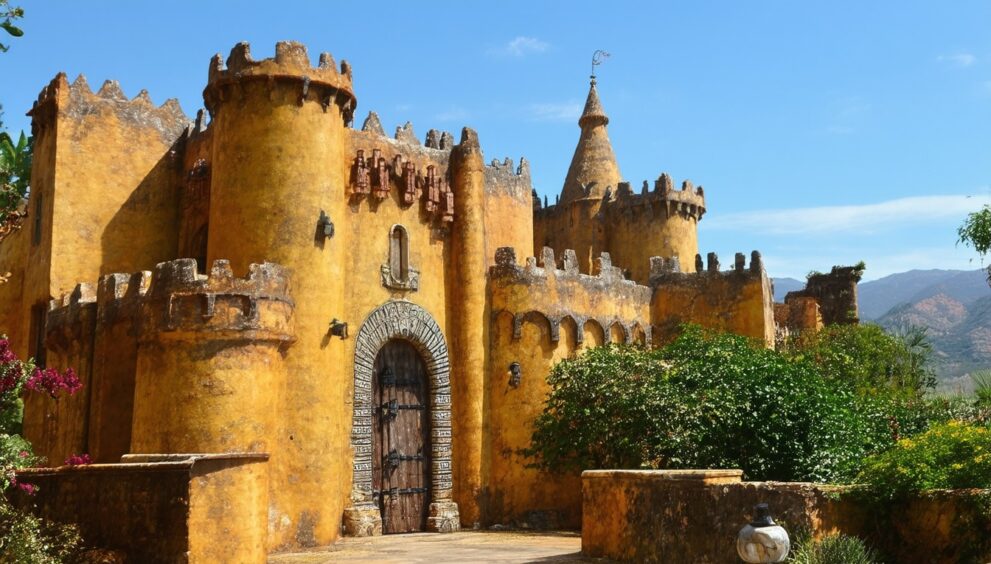
The award-winning animated film “Encanto” captured the hearts of millions with its dazzling visuals, heartfelt storytelling, and vibrant depiction of place. As audiences were swept into the enchanting world of the Madrigal family, a central question emerged: where is “Encanto” set, and what inspired its magical landscape? Disney’s meticulous approach to world-building, rooted deeply in real Colombian geography and culture, plays a defining role in making the story feel both fantastical and authentic.
Colombia: The Heart and Soul of Encanto
Disney’s “Encanto” is set in Colombia, a country celebrated for its dramatic landscapes, biodiversity, and soulful musical heritage. Rather than choosing a generic or fairytale setting, the filmmakers drew directly from Colombian culture, nature, and architecture to ground the fantasy of their story in real-world authenticity.
Influences from Across the Colombian Landscape
“Encanto’s” fictional village nestles high in the Andes, evoking Colombia’s lush coffee-growing belt, or “Eje Cafetero.” This region is famous for its rolling green hills punctuated by tall wax palms and dotted with colorful towns — a visual language that permeates the film.
Colombia’s historic towns such as Barichara, Salento, and Cartagena informed the look of the Madrigal village, from cobblestone streets and clay-tiled roofs to vibrant doorways. The landscape itself mirrors the cloud forests, rivers, and wild mountain brambles typical of Colombia’s interior. The unique Madrigal home, “La Casita,” reflects the region’s colonial Spanish architecture, modified with an animated, almost magical sensibility.
“It was important to us that Encanto feel specific, not just generically ‘magical,’” explained Jared Bush, co-director of the film, in interviews. “We wanted the world to be steeped in the real places, textures, and colors of Colombia.”
Cultural Nuance and Magical Realism
Colombia has long been associated with magical realism, a literary tradition that seamlessly blends the magical and mundane—a sensibility made famous by Nobel laureate Gabriel García Márquez. Encanto’s world, where magic infuses daily life, is not accidental. In fact, producers and animators immersed themselves in Colombian literature, cuisine, and folklore, working directly with cultural consultants on every element from flora to dialect.
Visual Inspirations: The Real Places Behind Encanto
Barichara: Timeless Architecture
Located in the department of Santander, Barichara is often cited as a principal reference for Encanto’s village. With immaculate whitewashed walls, terracotta tiles, and panoramic mountain backdrops, Barichara offers a living museum of colonial-era Colombia. Its tranquil streets, listed as a national monument, reflect in the film’s attention to detail and historical resonance.
Valle de Cocora and the Wax Palm
One visual motif in “Encanto” stands out: the impossibly tall, slender wax palm trees. These are inspired by the Valle de Cocora, home to Colombia’s national tree, the Quindío wax palm. Rising as high as 60 meters against misty green slopes, these palms lend a surreal quality to the landscape. Scenes with Mirabel and her family wandering among towering, swaying trees offer both a literal and symbolic connection to Colombian geography.
Cartagena: Colors and Coastal Flair
Although Encanto’s setting is primarily inland, its warm palette and exuberant color owe much to Cartagena, Colombia’s famed Caribbean port. The vivid yellows, blues, and pinks seen on the city’s colonial facades and market stalls make their way into the film’s costume and set designs. This blend of influences creates a visual identity that is distinctly Colombian, yet universally magical.
Sound and Spirit: Musical Roots and Daily Life
Beyond its visuals, “Encanto” delves into Colombia’s musical and cultural mosaic. The soundtrack, shaped by Lin-Manuel Miranda and local artists like Carlos Vives, weaves together cumbia, vallenato, and reggaeton. Instruments specific to Colombian culture such as the tambora drum and accordion evoke a soundscape immediately evocative of its setting.
In researching local traditions, the filmmakers engaged with anthropologists and musicians. Meals and family gatherings in the movie showcase staples like arepas and ajiaco, further grounding the story in everyday Colombian life.
Creating Authenticity: Disney’s Research and Local Collaboration
To bring Encanto’s setting to life, Disney’s creative teams spent extended periods traveling across Colombia. They consulted with local architects, linguists, and botanists. The result is a film layered with authentic flora, like orchids and heliconias, and everyday customs from across the country.
Among the key takeaways from these collaborations:
- Representation of Colombia’s diverse ethnic backgrounds and indigenous roots.
- Detailed costume design reflecting regional embroidery and textiles.
- Subtle reveals of Colombia’s biodiversity, from hummingbirds to jaguars.
This consultative approach goes beyond surface-level aesthetics, aiming for authentic, respectful representation. Animators even studied the way light falls in the Colombian Andes, capturing the specific warmth and luminosity unique to the region.
Encanto’s Impact: Redefining Animated World-Building
Encanto’s rootedness in a specific place has been widely praised, not just for its accuracy but for how it expands the idea of what animated, family-friendly films can achieve. Colombian audiences, in particular, saw their homeland represented with care and vibrancy, driving nationwide pride.
The box-office success and cultural resonance of “Encanto” indicate a broader appetite for stories deeply grounded in real-world cultural and geographic specificity. As audience tastes evolve, more filmmakers are likely to follow suit, blending authentic local detail with universal storytelling.
“When a movie takes the time to understand and celebrate the places it depicts, it creates a bridge between cultures,” observed historian Camila Ospina. “Encanto has opened many eyes to Colombia’s rich beauty and complexity.”
Conclusion
“Encanto” stands as an example of world-building that honors both fantasy and cultural truth. Its magical setting is no accident; it is a loving homage to Colombia, drawn from real villages, landscapes, and traditions. As the film continues to inspire families around the world, it also invites travel, curiosity, and appreciation for the real places—and people—that inspired its magic.
FAQs
Where is Encanto specifically set in Colombia?
Encanto is set in a fictional village inspired by Colombia’s Andes mountains and central coffee region, with towns like Barichara and Salento serving as key visual references.
Did the filmmakers visit Colombia during production?
Yes, the Disney production team traveled to Colombia, collaborating with local experts to ensure authentic representation of the country’s landscapes and cultures.
Are any real Colombian locations named in the movie?
While the film does not mention specific towns, its aesthetic and culture heavily reference actual Colombian places such as Barichara, Salento, and the Cocora Valley.
How does Encanto reflect Colombian culture?
Encanto incorporates Colombian music styles, foods, architecture, clothing, and multicultural family dynamics, aiming for an accurate and respectful portrayal.
What is the significance of the tall palm trees in Encanto?
The tall palms are modeled after Colombia’s national tree, the wax palm, found in the Cocora Valley, symbolizing both the country’s unique nature and a sense of wonder.
Is magical realism important to the film’s setting?
Absolutely. The concept of magical realism, deeply associated with Colombian literature, shapes both the story’s tone and the blending of everyday life with the extraordinary.